We Are Still at the Beginning
The future of AI in finance is closer than most people realize — and more transformative than most are prepared for. As significant as AI’s impact on the financial industry has been so far, most experts agree on one thing: we are still in the earliest stages of what this technology will eventually become. The models being used today are powerful by current standards, but they are primitive compared to what is coming. The next decade will bring changes to the financial industry that will make the current transformation look incremental.
Consider where we were just five years ago. Retail investors had access to the same basic tools that had existed for decades — stock screeners, earnings calendars, brokerage charts, and analyst reports locked behind expensive subscriptions. The idea that an individual investor could ask a plain-language question about a company’s free cash flow trend, its insider trading activity, its debt structure, or its earnings beat history — and receive a clear, data-backed answer in seconds — would have sounded like science fiction. Today it is a reality. That shift happened faster than almost anyone predicted.
And it is only accelerating.
What’s Coming Next for the Future of AI in Finance
These are the developments that will shape the future of AI in finance over the next decade:
- Fully autonomous portfolio management: AI systems that not only recommend trades but execute, monitor, and re balance entire portfolios without human intervention — and do so more consistently than any human manager ever could
- Real-time fundamental analysis: As data pipelines improve, AI will analyze a company’s financial health in real time — not just quarterly — giving investors a continuously updated picture of every position they hold
- Predictive macro intelligence: Future AI systems will synthesize global economic data, geopolitical signals, and market behavior to model macroeconomic scenarios with a level of sophistication that current tools cannot approach
- Hyper-personalized financial advice: AI advisors will understand your full financial picture — goals, risk tolerance, tax situation, spending patterns — and deliver advice genuinely tailored to you, not a generic risk profile
- Natural language as the primary interface: The spreadsheet and the terminal will give way to conversation. Investors will interact with markets and data the same way they interact with a trusted advisor — by asking questions and receiving clear, intelligent answers
None of these developments are distant possibilities. The infrastructure being built today — the data pipelines, the language models, the financial APIs, the conversational interfaces — is the foundation on which all of it will run.
The Platforms Being Built Today Will Define Tomorrow
The financial tools being built right now are not just products — they are infrastructure for the next generation of investing. The platforms that establish trust, accuracy, and accessibility today will be the ones that define how investors interact with markets for the next 20 years. First-mover advantage in this space is real. The platforms that investors learn to trust early will be extraordinarily difficult to displace.
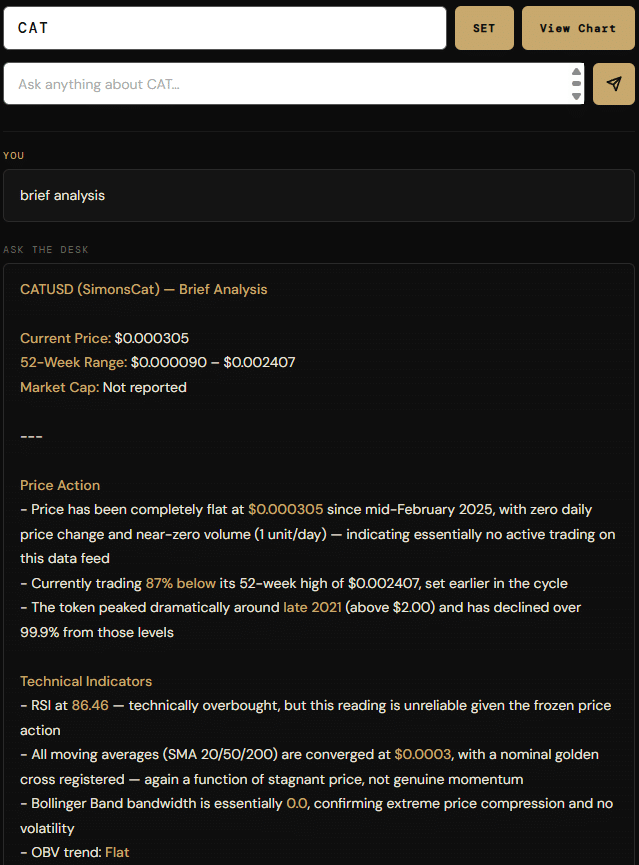
In2Trading® is building for that future of AI in finance. Ask The Desk is the first step — a conversational AI platform that makes professional-grade financial research available to everyone, not just institutional desks with seven-figure data budgets. The roadmap extends well beyond where the product is today. The goal has always been to give self-directed investors the same quality of information that professional analysts have access to — and to deliver it in a format that doesn’t require a finance degree to understand.
The Investor of the Future
The future of AI in finance belongs to investors who ask better questions. They won’t spend hours reading annual reports or toggling between tabs of fragmented data. They’ll ask their AI platform the right questions, receive clear and contextualized answers, and make decisions backed by more information than any investor in history has ever had access to. The information advantage that once belonged exclusively to institutions is being democratized — one question at a time.
That shift is already underway. The investors who recognize it early and build their research process around it will be the ones who are best positioned when the next generation of tools arrives. The ones who wait will find themselves playing catch-up.
That future is closer than most people realize. And it starts with the tools available today.
Ready to be ahead of the curve? Visit desk.in2trading.com and start your free trial today.